Biscoff Cheesecake

I may receive compensation in the form of payment or products to supplement my posts, but all opinions remain my own. Read our disclosure policy.

This Biscoff cheesecake is creamy, decadent and perfect for anyone who loves cookie butter. It has a thick Biscoff cookie crust, creamy cookie butter flavored cheesecake, and more cookie butter spread on top.

This decadent Biscoff cheesecake is incredibly creamy with the perfect Biscoff flavor. It’s rich, without being overly sweet. Each bite features crunchy Biscoff cookie crust and super creamy, cookie butter infused cheesecake. Plus, there’s an extra layer of cookie butter on top along with whipped cream and more cookie crumbs.
If you’re unfamiliar with Lotus Biscoff cookies and spread – Biscoff cookies are a spiced shortbread biscuit that come from Belgium. The cookies have a brown sugar, caramel flavor with hints of cinnamon and other warm spices. The Biscoff spread – also known as cookie butter – is made of pulverized cookies and has a similar consistency to peanut butter.

Making Biscoff Cheesecake
This is a baked cheesecake recipe. It will need to chill in the fridge for at least 6 hours before serving – so be sure to allocate enough time.
I’m including step-by-step photos and recipe tips, as I know baked cheesecake recipes can sometimes feel overwheling.
Start by preheating the oven to 325F (170C) and preparing the pan. Whenever making a baked cheesecake, I always wrap the outside of the pan first in an oven bag (the kind you use to cook a turkey). Then I wrap the outside at least 3 times so that the bottom and sides are covered with alumium foil (heavy duty preferred). This ensures that the pan doesn’t leak.

Then it’s time to make the crust:
- Start by crushing the Lotus cookies in your food processor or by placing them in a freezer bag and crushing with a rolling pin.
- Mix the crushed cookies with melted butter. The mixture should feel and look like damp sand.
- Press into the prepared pan, creating a slight lip around the edge.
- Then bake in the preheated oven for 10 minutes. Remove from the oven and leave the oven turned on.
- This step makes the crust extra crunchy.

As the crust is baking, you can make the filling:
- Measure out the Biscoff spread, then microwave for 30 seconds. Give the Biscoff a stir.
- Warm Biscoff is much easier to beat into cheesecake batter later on.
- In a very large bowl, beat together the cream cheese, brown sugar, granulated sugar, cornstarch and cinnamon until creamy – this should take at least 3-4 minutes. Occasionally, turn off the mixer and scrape down the sides and bottom of the bowl to ensure that there aren’t lumps of cream cheese stuck there.
- While most cheesecake recipes only use white sugar, this recipe uses brown sugar as well to enhance the Biscoff flavor. Most of the granules will dissolve as you beat the cheesecake batter, and any still left will dissolve as the cheesecake bakes.
- Then mix in the Biscoff spread and sour cream.
- Using some sour cream in this recipe makes the cheesecake silky smooth and ensures that it isn’t too dense.

- Whisk together the eggs and additional egg yolks, then whisk the eggs into the cheesecake batter. I typically do this about 1/2 at a time. When you’re finished, you should no longer see pieces or streaks of egg. The batter should be an even consistency.
- Be sure to stop mixing once the batter is evenly mixed. Continuing to beat the batter after the eggs have already been incorporated can lead to cheesecake cracks.

Baking the Cheesecake
This cheesecake is baked in a waterbath. The waterbath makes the oven steamy – which keeps moisture into the cheesecake and reduces big swings in temperature which can cause cheesecake cracks. I find using the waterbath is very necessary with this recipe as the consistency from the Biscoff spread can more easily lead to a dry, cracked cheesecake.
You’ll place the pan (still wrapped in foil) in the middle of a large roasting pan and pour the cheesecake batter over the crust. Then you’ll pour about 1 inch (2-3 cm) of boiling water into the roasting pan so that the cheesecake is surrounded by water.

The roasting pan then goes in the oven to bake. The cheesecake will take about 45-55 minutes to bake. I recommend watching at around the 40 minute mark. When the cheesecake is done baking, it should have a slight wobble if you give the pan a gentle nudge.
The cheesecake will need to cool slowly. Take it out of the oven and let it sit at room temperature until the water in the waterbath is no longer warm to the touch. Then take the springform pan out of the large roasting pan and place on a cooling rack until it’s no longer warm. From there, the cheesecake will need to chill in the fridge for at least 6 hours before serving.

Serving
When you’re ready to serve, or at any point while the cheesecake is chilling in the fridge, you can top it. Once again, you’ll warm Biscoff spread, then pour it over the cheesecake so that it drips over the sides. I like to also add whipped cream and cookie crumbs around the edges.
Whenever slicing a cheesecake, be sure to slice with a sharp knife (not a table knife) and avoid back and forth sawing motions. For clean cuts, you can wipe off the knife after each slice.

Incredibly creamy with the perfect Biscoff flavor, a crunchy cookie crust and more Biscoff on top – this decadent cheesecake is the perfect dessert for anyone who loves the addictive spread.
And if you need more Biscoff desserts, then be sure to try:
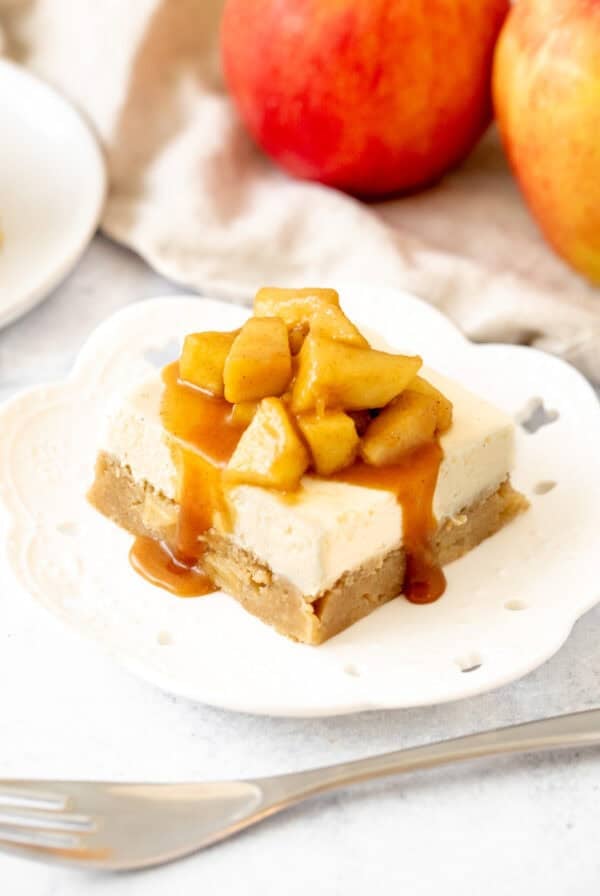
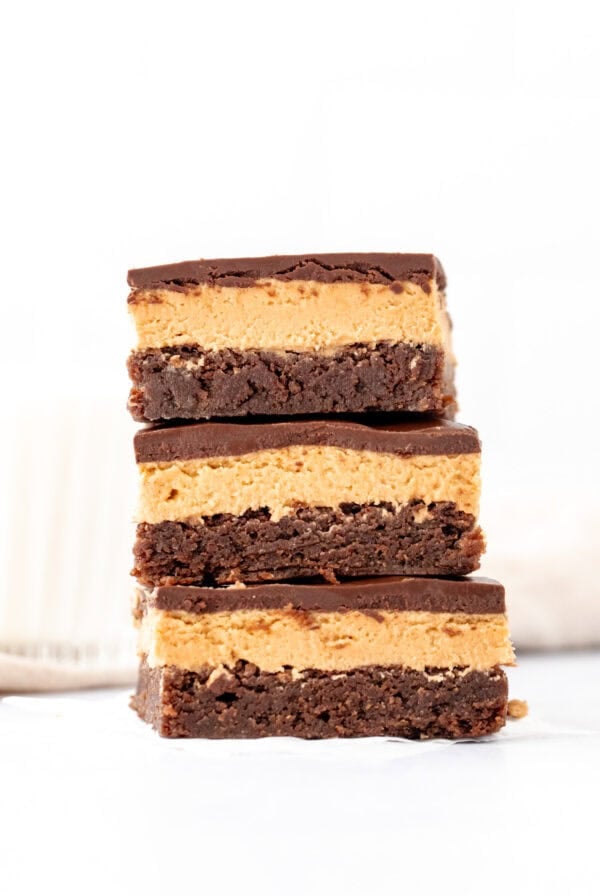
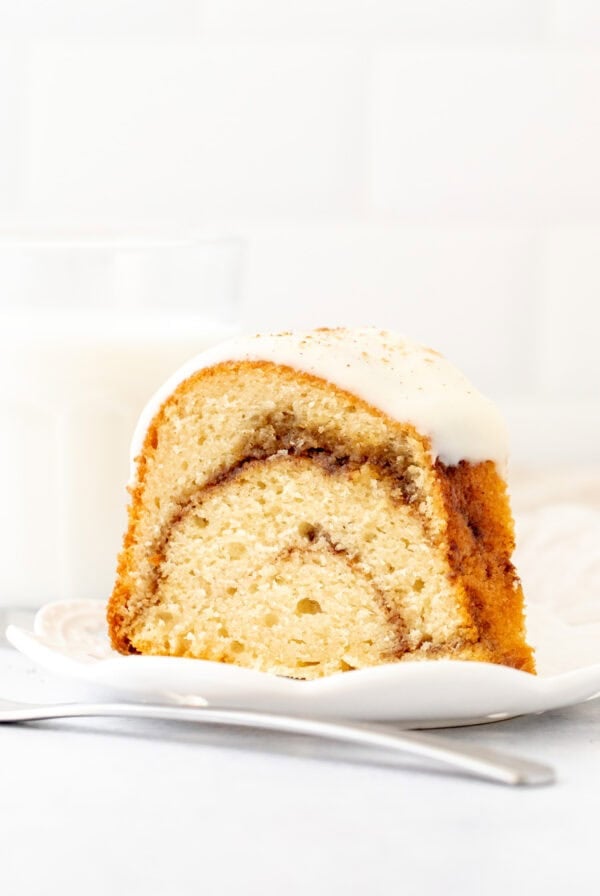
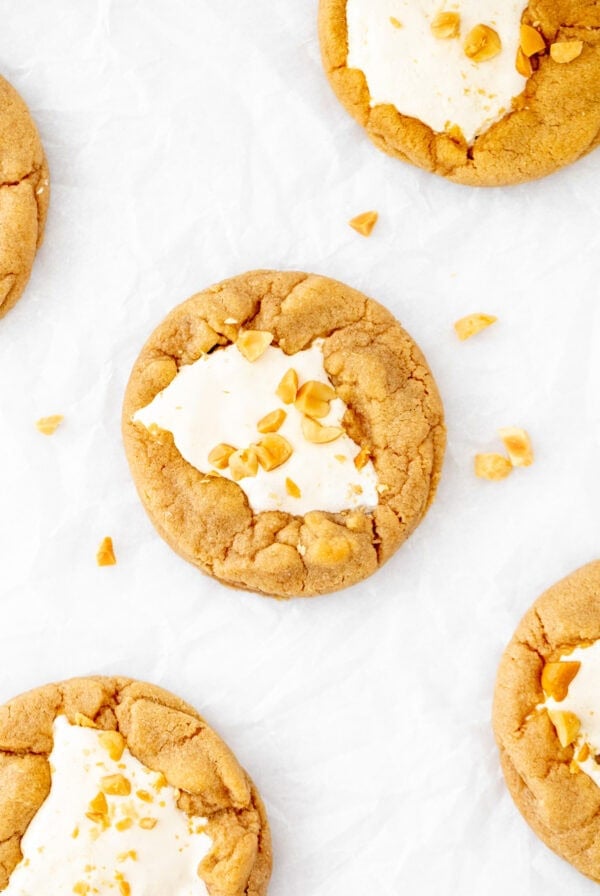
- Biscoff Cake – moist Biscoff flavored cake layers with creamy cookie butter frosting
- Biscoff Blondies – these are so easy to make!
- Biscoff Brownies – super fudgy and swirled with Biscoff
- Biscoff Stuffed Cookies


Biscoff Cheesecake
Equipment
- 9-inch springform pan
- large roasting pan (big enough for the springform pan to fit inside)
Ingredients
Lotus Cookie Crust
- 8.8 ounce package Lotus Biscoff cookies (250 grams), a little over 2 cups once crushed
- 6 tablespoons unsalted butter (65 grams), melted
Biscoff Cheesecake
- 1 cup Biscoff spread
- 24 ounces cream cheese (680 grams), full fat, brick style
- 1/2 cup granulated sugar (100 grams)
- 1/2 cup brown sugar (105 grams)
- 1 tablespoon cornstarch
- 1/2 teaspoon cinnamon
- 3/4 cup sour cream (180 ml)
- 2 teaspoons vanilla extract
- 3 large eggs
- 2 large egg yolks, in addition to the 3 large eggs
- boiling water, for the water bath
Topping
- 3/4 cup Biscoff spread
- 1/2 cup whipping cream (120 ml)
- Lotus Biscoff Cookies , for decorating
Instructions
- Take the cream cheese, sour cream and eggs out of the fridge about 30 minutes before getting started so that they're at room temperature.
- Wrap the outside of a 9-inch round springform pan with a disposable oven bag (or slow cooker liner) – you may need to trim the bag. Twist at the side and tie tightly with the included zip lock bag. Then wrap the outside with aluminium foil at least 3 times so that the bottom and sides are covered and all the seems are covered. If you don't have a disposable oven bag, wrap the pan at least 4 times in foil.
- Preheat the oven to 325F (170C).
Lotus Cookie Crust
- Crush the cookies until they're fine crumbs. You can either do this in a food processor or by placing the cookies in a freezer bag and crushing with a rolling pin.
- Mix together the melted butter and cookie crumbs – you can either do this with a fork in a bowl, or by adding the melted butter to your food processor and doing a few pulses.
- Add the mixture to your prepared pan. Press into an even layer, creating a slight lip around the edges.
- Bake in the preheated oven for 8 minutes. Remove from the oven (keep the oven turned on).
Biscoff Cheesecake Layer
- Measure out the Biscoff cookie butter and add to a bowl. Microwave for 45 seconds on medium power. Stir until smooth. Set aside.
- In a large bowl, beat together the cream cheese, brown sugar, granulated sugar, cinnamon and cornstarch until smooth and creamy – about 2-4 minutes. Occasionally, turn off the mixer and scrape down the bottom and sides of the bowl.
- Mix in the warmed Biscoff spread, sour cream and vanilla extract until smooth and creamy. Again, scrape down the sides and bottom of the bowl.
- In a small bowl, whisk together the eggs and additional egg yolks. Then mix the eggs into the cheesecake batter about 1/2 at a time. Mix together with either a wire whisk or with the mixer on a low speed. Stop mixing as soon as you no longer see pieces of egg and the batter is an even mixture.
Baking & Cooling the Cheesecake
- Pour the cheesecake batter over the crust (with the pan still wrapped).
- Carefully place the springform pan in the middle of a large roasting pan.
- Pour boiling water into the roasting pan so that there's about 1 inch (2-3 cm) or boiling water into the roasting pan.
- Place the roasting pan in the oven, about 1/3 from the bottom of the oven. Bake for about 45-55 minutes, or until the top looks almost set and the cheesecake still has a gentle wobble if you give the pan a nudge.
- Remove from the oven. Cooling the cheesecake in the waterbath until the water is room temperature. Then remove the springform pan from the waterbath and place on a cooling rack. Cool until the pan is no longer warm to the touch.
- Cover the pan with foil and place in the fridge for at least 6 hours or overnight.
Topping
- Measure out the Biscoff spread. Add to a bowl and microwave on medium power for about 45 seconds. Stir until smooth enough to drizzle – you may want to do a
- Take the cheesecake out of the fridge. Gently trace around the edge with a sharp knife. Unclamp the outer ring of the springform pan. If there's condensation on top of the cheesecake, blot with a paper towel.
- Pour the warm Biscoff spread over the cheesecake, letting it drip over the sides. If needed, use an offset spatula to spread. Place in fridge.
- Beat the whipping cream until stiff peaks form. Transfer to a piping bag (I used a 1M tip). Pipe rosettes around the edges of the cheesecake.
- Optionally sprinkle crushed cookies and around the edges and decorate with more Lotus biscuits. Place in the fridge until ready to serve.
- When slicing, slice with a sharp knife. Be sure to slice all the way through the crust.
Notes
- Biscoff Lotus Cookies: You will need one 8.8 ounce (250 gram) package for the crust. You’ll end up with a little over 2 cups of cookie crumbs. Buy an additional package if you’d like to decorate with more cookies and cookie crumbs.
- Biscoff Spread: You will need two 14 ounce (400 gram) jars of cookie butter, and have some leftover. Alternatively, you can purchase one 25 ounce (720 gram) jar.
- Cream Cheese: Be sure to use full-fat, brick-style cream cheese. Do not use anything labeled low fat, low calorie, light, spreadable or whipped.
- Storage: Store covered or in an airtight container in the fridge for up to 5 days.
- Make Ahead Tips: Cheesecake can be made the day before you plan to serve and chill in the fridge overnight. Top the cheesecake the day you plan to serve, and place back in the fridge until ready to serve.
- Nutrition: Details provided are an estimate only and based on 1 slice with toppings, assuming the cheesecake is sliced into 14 uniform slices.