Swiss Meringue Buttercream

I may receive compensation in the form of payment or products to supplement my posts, but all opinions remain my own. Read our disclosure policy.

Swiss meringue buttercream frosting is silky smooth, not too sweet and pipes beautifully onto cakes and cupcakes. This frosting is surprisingly light in texture, but holds its shape perfectly. Learn all the tips and tricks to making perfect Swiss meringue buttercream!

What is Swiss Meringue Buttercream?
Swiss meringue buttercream frosting is a type of buttercream made from egg whites, sugar, butter and your flavorings. The egg whites and sugar are cooked together in a double boiler (so that it’s safe to eat) – then whipped into a meringue until still peaks form. From there, the butter and flavorings are mixed in to give you the perfect frosting.
It’s light and fluffy but holds its shape – so it pipes beautifully on cakes and cupcakes. It’s silky smooth and has an almost glossy finish. Better still, it’s not overly sweet unlike a lot of frostings and icings.
It’s like a fluffy, cloud of frosting.
Swiss meringue frosting is safe to eat because as long as you have brought the meringue mixture to 160F (70C).
American Buttercream vs Swiss Meringue
American-style buttercream is made with butter, powdered sugar, milk or cream (sometimes water) and flavorings. It’s therefore very rich and sweet. In comparison, Swiss meringue buttercream is lighter in texture, silky smooth and definitely not as sugary. However, making a batch of Swiss meringue buttercream takes more time and definitely requires more careful attention.
So – if you’re short on time and want something quick and easy – I’d recommend going for my American-style vanilla frosting or chocolate frosting.
But if you want creamy, glossy, not too sweet, light as a cloud buttercream – keep reading.
How to Make Swiss Meringue Buttercream Frosting
While the condensed recipe is below – be sure to read through the following explanations and steps carefully to know exactly what to do and what the recipe should look like at each step. I’ve included lots of tips and tricks.
I recommend wiping down your bowls and whisk attachment with a little vinegar. This is to ensure that there are no remnants of oil or butter. If there is any fat left over on the bowl from previous recipes (which can be hard to clean off) – the fat will get in the way of the meringue forming.
- In your bowl, you’ll first whisk together the eggs whites and sugar. Be sure that you don’t get any yolks in the mixture. You just want to remove any big lumps of sugar at this point. You can use the metal bowl of your electric mixer.
- Then place over a pan of gently simmering water on your stovetop to create a double boiler. The burner should be on low to low-medium heat and gently simmering as opposed to a vigorous boil. Be sure that the bottom of the bowl is not touching the water – otherwise the bowl will get too hot and you can end up with scrambled eggs. Keep gently whisking the mixture for about 4-5 minutes until the sugar is fully dissolved. It should 160F or 70C on a thermometer, or when you rub the mixture between your finger and thumb you no longer feel any sugar crystals/granules.

- Then remove the bowl from the double boiler. Transfer the mixture to the bowl of your stand mixer with the whisk attachment. Beat the mixture starting on a low speed and gradually increasing to medium speed until it’s white and glossy in color and stiff peaks form. This can take anywhere from 10 to even 20 minutes. If you’re making the frosting on a humid day – it will take longer. When you turn off the mixer and lift the whisk attachment out of the bowl, the meringue should stand straight up. If it drizzles off the whisk attachment and into the bowl – it’s not done yet and you need to keep mixing. You can see the difference below.

- Ensure that the meringue is room temperature. If the meringue or the bowl is still warm, place the bowl in the fridge for about 10 minutes. Change the mixer to use the paddle attachment (I like using the paddle attachment with a silicone scraper), then beat in the butter about 1-2 tablespoons at a time. Ensure that each lump is butter is mixed into before adding another lump of butter. Your butter should be room temperature but still slightly firm to the touch. It shouldn’t be greasy or starting to melt.

Then mix in the salt and vanilla extract. When you’re finished, the frosting should be smooth and glossy.

Troubleshooting
There are a few main issues that can arise when making Swiss meringue buttercream frosting:
- If Your Buttercream is Too Thin and Soupy
- This can be caused by either by the meringue not being whisked for long enough – ie stiff peaks didn’t form. If that’s the case and you’ve already added the butter, unfortunately there’s not much you can do.
- It can also be due to the meringue or bowl still being warm when the butter is added or the butter being too soft and starting to melt. To fix this – simply place the bowl in the fridge for about 10 minutes or until it feels cool to the touch. Then continue mixing with the paddle attachment until creamy.
- Your Buttercream Starts to Curdle
- If your buttercream starts to curdle and look like cottage cheese (see photo below for example), there is actually a very simple fix.
- Return the frosting back to the double boiler over low heat. Have the bowl on the saucepan for about 30 seconds to 1 minute, or until you see the edges just starting to melt. Then gently mix the frosting until smooth. If it’s still curdled, repeat the process. I almost always have to do this when making Swiss Meringue Buttercream.

- Your Frosting is Grainy
- This will happen if the sugar wasn’t fully dissolved when the meringue mixture was over the pan of simmering water. Be sure to rub the mixture between your fingers several times to ensure that all the sugar has fully dissolved.
Adding Flavorings
Swiss meringue buttercream frosting works well with a variety of flavorings. Because the frosting isn’t as sweet as American buttercream, you can add less of your flavorings because they don’t need to compete with the sweetness. A few flavor options are:
- For caramel Swiss meringue frosting – add in 1 cup thick salted caramel sauce after mixing in the butter.
- For chocolate Swiss meringue frosting – melt 1 cup (about 160 grams) of semi-sweet or 50% dark chocolate and let it cool fully, then beat into the frosting after adding the butter.
- For coffee Swiss meringue frosting – dissolve 1 tablespoon instant coffee powder in boiling water, place the mixture in the fridge until fully cooled, then beat into the frosting after adding the butter.
- For peppermint, almond, lemon, or orange Swiss meringue frosting – add in 1-3 teaspoons of peppermint, almond, lemon or orange extract and omit the vanilla extract. Go slowly with adding the extract to get the perfect flavor.

Storage & Freezing
Your frosted baked goods can be stored covered room temperature for 1 day, however, if you live in a warm or humid place, you will want to store in the fridge.
Frosting will keep in the fridge in an airtight container for up to 5 days. Then to use the leftovers, bring the container out of the fridge and let it sit at room temperature for about 30 minutes. If needed, beat the frosting on a low speed. If it starts to curdle, place over a double boiler for 30 seconds or until the edges just start to melt. Then mix on a low speed until smooth.
Frosting can be frozen for up to 2 months. Thaw in the fridge overnight, then gently bring the frosting to room temperature as described for frosting stored in the fridge.

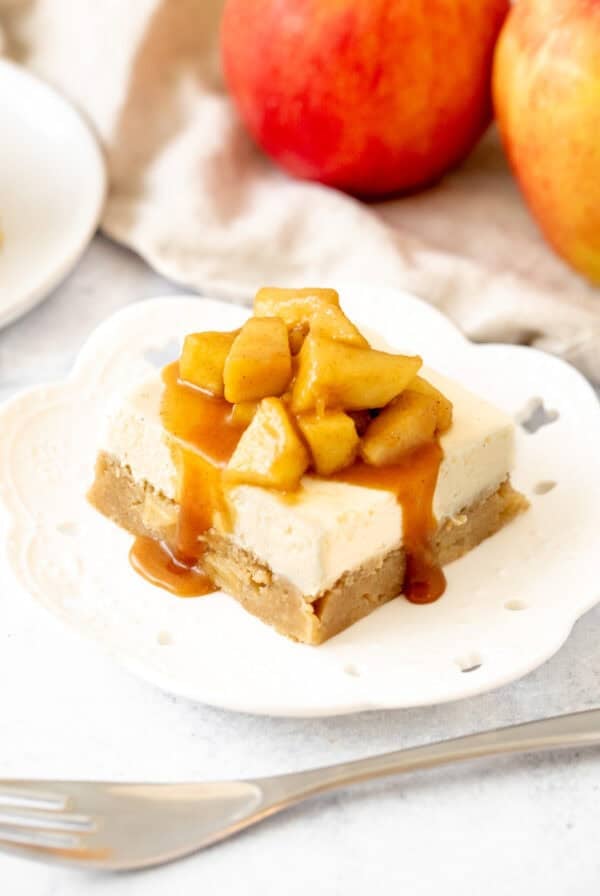
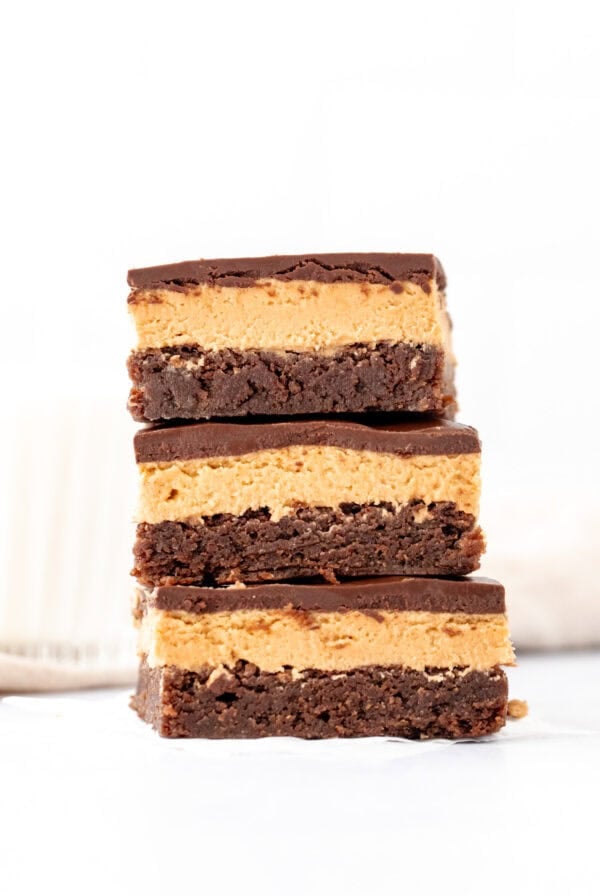
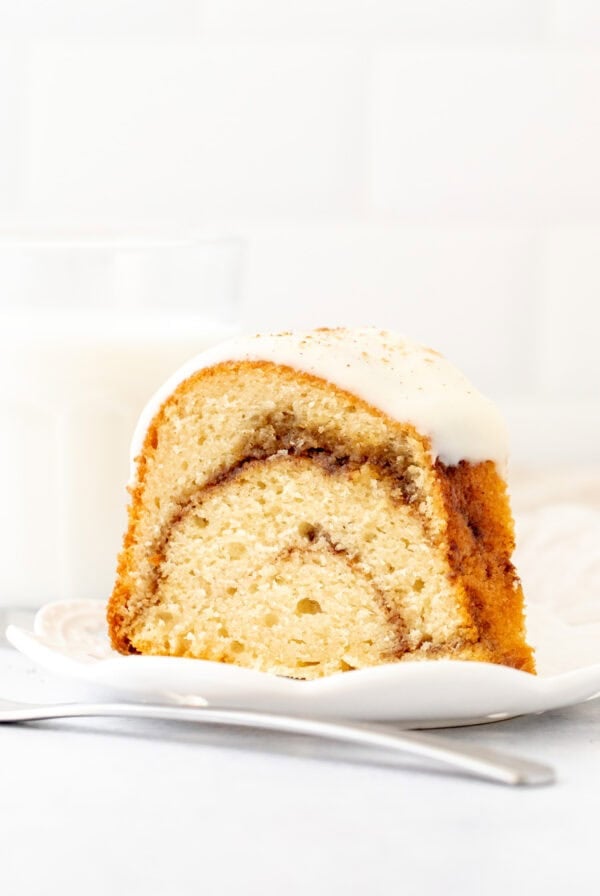
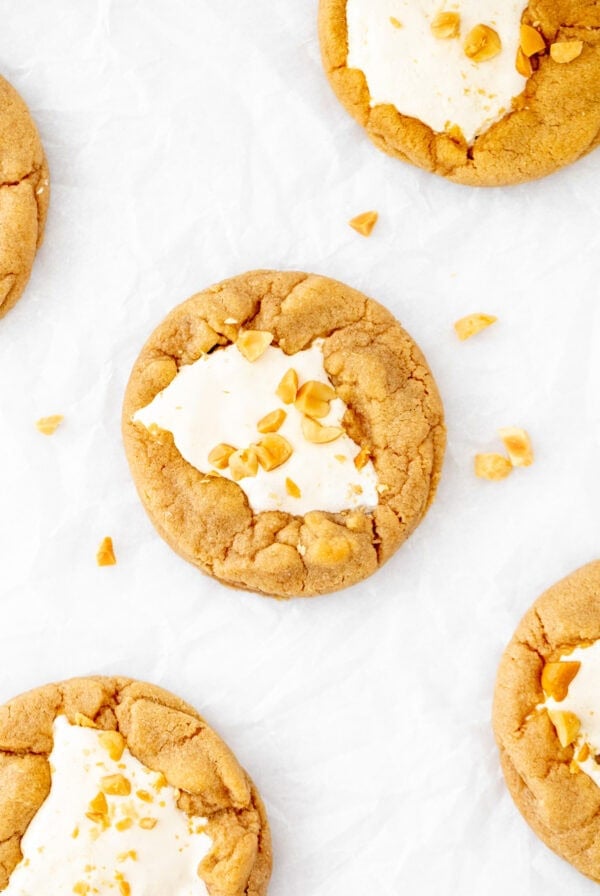
Creamy, fluffy, silky smooth, not too sweet and absolutely delicious. Try this Swiss meringue frosting on some of these favorites:

Swiss Meringue Buttercream Frosting
Ingredients
- 6 large egg whites, discard the yolks
- 2 cups granulated sugar (400 grams)
- 2 cups unsalted butter (454 grams), softened but not starting to melt or become greasy – I only take the butter out of the fridge once I take the meringue off the heat
- 2 teaspoons vanilla extract
- 1/2 teaspoon salt
Instructions
Prep
- Separate the eggs. This is easiest to do when cold. I recommend separating the eggs about 20 minutes before getting started.
- Wipe down your bowls, whisk and whisk attachment with vinegar to ensure that there is no residue from butter or oil. Dry thoroughly with paper towel or fresh dish cloth (do not use a dish cloth that you have previously used – as it may reintroduce grease into the bowl).
Make the Frosting
- Whisk together the egg whites and sugar in a bowl.
- Transfer the bowl to over the top of a saucepan over low to medium heat with about 1/2 to 1 inch of simmering water in the pan. Ensure that the bottom of the bowl is not touching the water. Gently whisk for about 4-6 minutes, or until there are no sugar granules remaining. When you rub the hot mixture between your fingers, you shouldn't feel any granules. It should reach 160F or 70C on a candy thermometer.
- Take the butter out of the fridge and cut into cubes (about 1-2 tablespoons each). Transfer the mixture to the bowl of your stand mixer with the whisk attachment. Start on a low speed and gradually increase to medium speed. Whisk for about 10-20 minutes, or until stiff peaks are formed. If you lift the whisk attachment out of the bowl – the meringue should stand straight up. If it drizzle or flops over – you aren't done whisking yet.
- Ensure the meringue and bowl are no longer warm to the touch. Change the mixer to the paddle attachment. Beat in the butter one cube/nob at a time. Do not add the next nob of butter until the previous has been incorporated.
- Then mix in the salt and vanilla extract.
- If you frosting is too thin/soupy – place the bowl in the fridge for about 20 minutes, then continue mixing. If the frosting starts to curdle (ie look like cottage cheese) – place it back over the simmering water for about 30 seconds or until the sides are just starting to melt. Then beat on a low speed until smooth. You may need to repeat this process a few times.
Notes
- Yield: This frosting recipe makes enough for:
- 24 cupcakes with a generous amount of frosting
- 9-inch layer cake
- 8-inch layer cake – you will have some leftover if you only do a 2 layer cake
- Mixers: This recipe can be made without a stand mixer, however it will take much longer for stiff peaks to form. You will also need a very large bowl.
- Storage: Store frosted cakes and cupcakes covered at room temperature for up to 1 day. Leftovers can be stored in the fridge for up to 4 days. Frosting can be frozen in an airtight container for up to 3 months. Thaw in the fridge. Then place on the kitchen counter at room temperature for about 30 minutes.
- Humidity: Like all frosting recipes – heat and humidity will impact the results. I do not recommend ever making frosting on a hot and humid day if you do not have air conditioning or wish to have it turned on.
- Nutrition: Details provided are an estimate only and based on the frosting being divided between 24 cupcakes (not including the cupcake)